|
People often ask us whether there's any break-in period or any adjustments that need to be made after riding our wheels. There aren't, and there are several reasons why. First is that we go to great lengths to ensure that all of the spoke lines have been corrected, and that everything is 100% bedded in. We also use an extensive destressing process. These ensure that the spokes take the shortest distance between the two points they connect, that they won't move around once you start riding them, and that the spokes don't have any residual stresses or "memory." Good wheel builders do these things, because wheels where these things haven't been done won't stay true for long. New wheels shouldn't sound like popcorn when you initially use them.
Another step that we take is to inflate a tire on each and every wheel, and do a final adjustment to spoke tension and true. A clincher tire compresses the rim and lowers spoke tension. This means that if you had just enough "off" side tension (non-disc side spokes in a disc front, non-drive side spokes in a rear) before, then you don't have enough now. It also moves the wheel's dish a tiny bit toward the more tensioned side. This final step takes a bunch of time, but in order to deliver the best built wheels we can time after time after time, we find that it's worth it. When using tubeless tires, the spoke tension loss is even greater.
0 Comments
Q&A
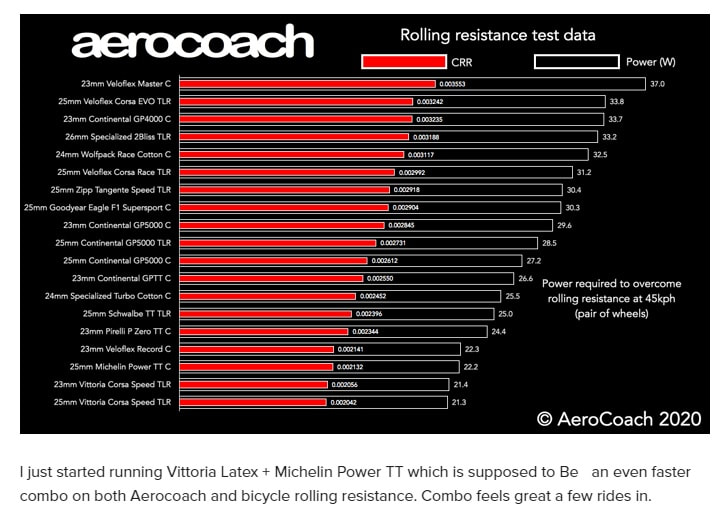
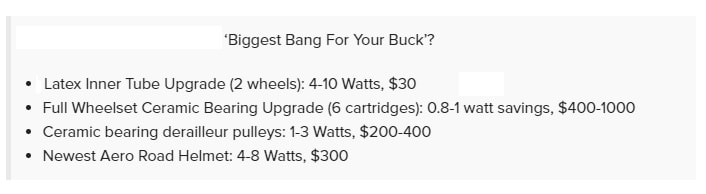
Q: Marginal Gains, what does it mean? A: Very little improvement on performance some times not worth it the the expense Think about it. How much can you really gain vs the cost? Here is two facts to consider that are cost effective and a real advantage in many ways, not just speed.
|
AuthorFanatic About Cycling? ArchivesCategoriesRIM/TIRE INTEGRATIONBIKE FIT HELP |
RSS Feed